
Choosing a hearing aid can feel overwhelming. With multiple styles, technology levels and prices, the best choice is the one that meets your hearing needs, fits your daily life and comes with reliable professional support. This guide explains the practical steps to make an informed purchase.
1. Start with a professional hearing assessment
A hearing aid is a medical device, not simply a volume booster. Begin with an ENT examination and an audiological assessment to identify the type and degree of hearing loss. Earwax, middle-ear disease and other treatable conditions may need attention first.
Pure-tone audiometry measures hearing thresholds; speech testing helps assess speech understanding, and tympanometry may be indicated. Sudden hearing loss requires urgent medical evaluation rather than a routine hearing aid purchase.
2. Match the style to your hearing and lifestyle
Behind-the-ear (BTE): Versatile and available in high-power options. Often suitable for children and people who need earmoulds.
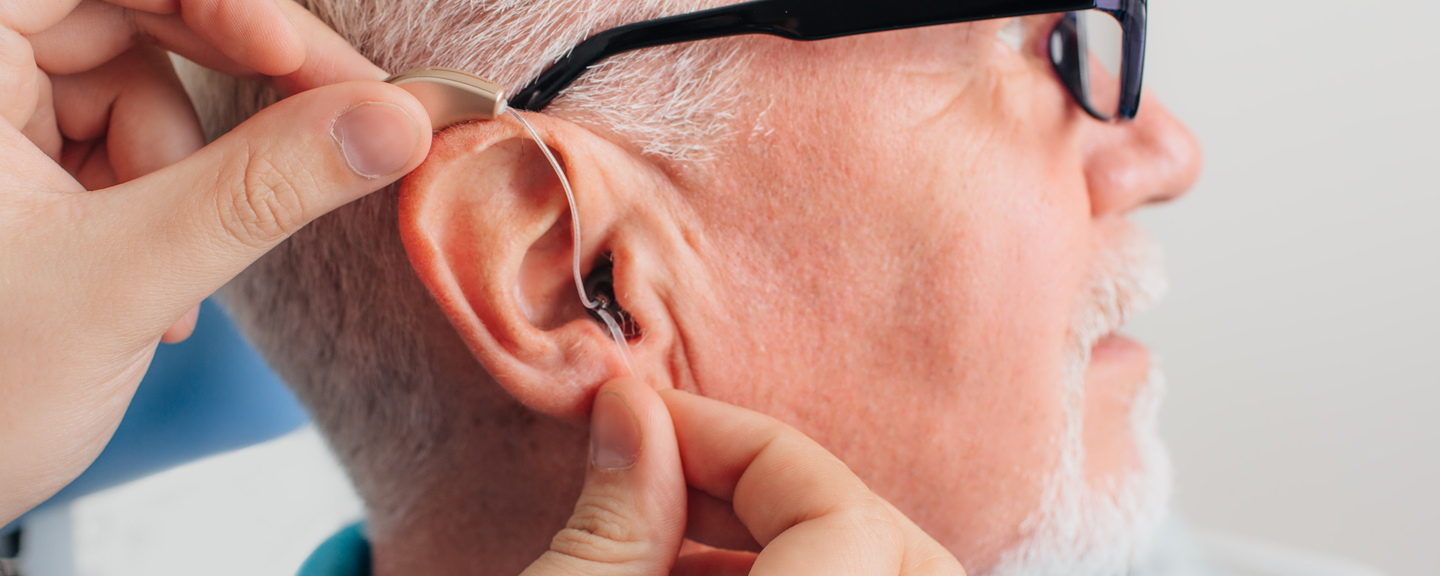
Receiver-in-canal (RIC/RITE): A compact behind-ear device with a receiver in the canal. Often suitable for adults seeking comfort and flexibility.
ITE, ITC, CIC and IIC: Custom devices positioned in the outer ear or canal. Smaller devices may trade off battery life, power or connectivity for discretion.
The smallest device is not necessarily the right device. Consider ear anatomy, dexterity, wax, moisture, amplification requirements and ease of maintenance.
3. Decide which technology features matter
Digital processing, directional microphones and feedback control help manage sound. More sophisticated devices may adapt to changing sound environments; they cannot eliminate all background noise or restore normal hearing.
Compare speech understanding in restaurants, meetings and family gatherings. Ask about rechargeable batteries, phone streaming, app controls, telecoil or compatible assistive accessories. Check compatibility with your exact phone before purchase. Battery performance depends on the model, streaming and usage.
4. Understanding Oticon hearing aid families
The Centre for Hearing reference, published in 2025, describes Oticon’s BrainHearing approach, digital sound processing and AI-assisted environmental analysis. Its product overview provides examples of how devices serve different needs. The following is a historical orientation, not a current catalogue or price list.
Intent: Sensor-assisted adaptation and rechargeable receiver-in-ear technology. Real and More: Earlier advanced sound-processing families. Own: Custom in-ear styles. Zircon: Essential-feature devices. Xceed: High-power options for severe-to-profound loss. Opn/Opn S: Earlier product families.
Confirm current models, available technology levels, fitting ranges, battery specifications and manufacturer support with your audiologist. Older models may no longer be sold.
5. Compare brands without relying on brand reputation alone
At Sahasra ENT, hearing care includes Oticon, Phonak, Widex, Signia and ReSound, subject to availability. Sahasra ENT is an authorised Oticon distributor. Each manufacturer offers different fitting platforms, accessories and sound-processing approaches.
An appropriate comparison uses your audiogram and listening goals. Trial devices in realistic situations and discuss what you notice with your audiologist.
6. Understand the total cost of ownership
Request a written quotation specifying whether the price is for one instrument or a pair. Check whether charger, earmoulds, receivers, fitting sessions, follow-up visits and taxes are included.
Ask for the warranty duration, exclusions, repair procedure, trial period, return conditions and replacement costs for batteries or rechargeable components. Do not assume a promotional price includes all services. This article does not quote current prices because the reference guide’s figures date from 2025.
7. One hearing aid or two?
When both ears have aidable hearing loss, two devices can often improve access to sound from both sides and help with spatial listening. Some asymmetric losses need different solutions, such as CROS or BiCROS. The recommendation depends on hearing thresholds and speech understanding.
For severe hearing loss with inadequate benefit from appropriately fitted aids, discuss whether cochlear implant evaluation is appropriate.
8. Insist on professional fitting and follow-up
Ask how the device will be programmed to your audiogram and verified. Real-ear measurements, when appropriate and available, help assess whether amplification meets prescribed targets. Arrange follow-up to fine-tune settings after everyday use.
Learn insertion, cleaning, charging, wax-filter changes and safe storage. Gradual adaptation and communication strategies are part of hearing rehabilitation.
9. Your buying checklist
Before paying, confirm the exact model and technology level; current manufacturer support; fitting suitability; phone and accessory compatibility; per-ear or pair pricing; trial and return terms; written warranty; included follow-ups; repair arrangements; and the plan for verifying benefit.
Frequently asked questions
Is a premium hearing aid always better? No. Additional features may help in demanding environments, but benefit depends on your hearing and fitting.
Can I buy a hearing aid online? A device purchased without appropriate assessment and fitting may not address your hearing needs. Seek professional guidance, especially if you have sudden, asymmetric or fluctuating hearing loss.
Can hearing aids cure hearing loss? No. They can improve access to sound and communication but do not reverse most permanent hearing loss.
Can children use the same devices as adults? Children need age-appropriate assessment, safety features, fitting and ongoing monitoring.
Book a hearing assessment at Sahasra ENT
Our RCI-certified audiologists provide hearing assessments, device selection, fitting and rehabilitation. Home services can be arranged subject to availability. Explore our Hearing Aids & Audiology services or request an appointment. Call 9885745454 or contact us on WhatsApp.