

Sahasra Vertigo & Balance Clinic
TREATING VERTIGO AND BALANCE DISORDERS
We have a Speciality Vertigo Clinics providing evaluation and treatment for vertigo and balance disorders.
Services available
1. Videonystagmography (VNG)
2. Stabilometry (Posturography)
3. Caloric Testing
4. Pure Tone Audiometry (PTA)
5. Craniocorpography
6. F- HIT (Functional Head impulse test)
7. Impedance Audiometry
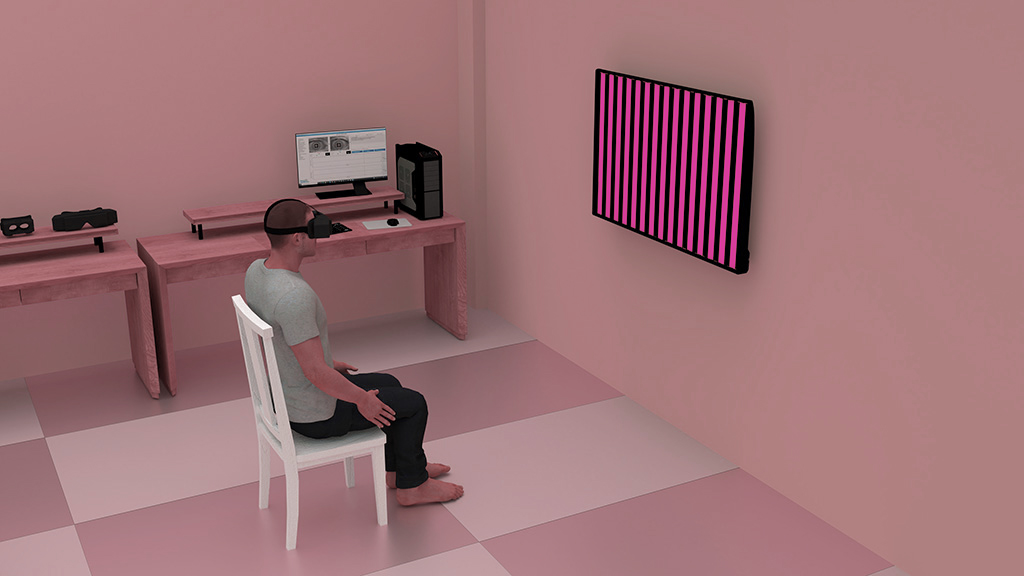

Restoring Balance
Vertigo is an altered sense of orientation. Patients may describe it in different ways like a sensation of spinning, unsteadiness, imbalance or in local language as ‘Kallu tiragadam’.
Vertigo and balance disorders affect around 8% of the population. They can affect all age groups, from young children to the elderly, and are seen equally in males and females. This problem affects a person’s day-to-day life, often leading to a fear of falling and loss of confidence.
Read More about VNG
Different causes of vertigo can present with different kinds of symptoms.
It is a fact that 20-40% of people are affected by dizziness at some point in time in their life; 15% people have dizziness; 5% have vertigo in any given year; 2.5% of all primary care visitors report dizziness, and 2-3% of emergency visits in the developed world is for vertigo.

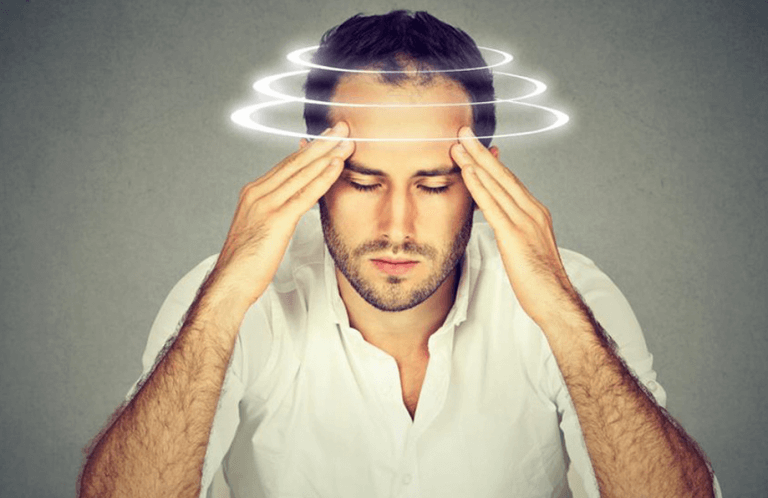
But it must be noted that vertigo is not a disease. It is only a symptom of a disorder. Therefore, suppressing the symptom is not the solution. A proper diagnosis of what is causing vertigo/dizziness is possible only when the doctor makes a systematic evaluation.
A neuro-otological workup alone will help to find out if a vertigo patient is suffering from disorders like BPPV, Meniere’s Disease, Vestibular Neuritis, Labyrinthitis, Acoustic Neuroma, Otolith Dysfunction, Vestibular Migraine, Central Vestibulopathy or psychogenic disorders.
Testimonial
— Jane Doe
Testimonial
— Jane Doe
Causes of Vertigo / Dizziness
Meniere’s Disease
It is a disorder of the inner ear, which is characterised by episodes of hearing loss and fullness in one ear, tinnitus and vertigo. Meniere’s disease is caused by increased pressure of the inner ear fluid. If not treated timely, Meniere’s disease can lead to progressive hearing loss. Meniere’s disease usually affects one ear, but it may be bilateral in 15% of cases.
Vestibular Neuritis
Vestibular Neuritis is caused by a viral infection leading to inflammation of the vestibular nerve. The inflammation disturbs the balance function and causes dizziness. The dizziness symptom is accompanied by blurred vision, nausea, vomiting and difficulty in focusing during head movement. Vestibular Rehabilitation should be started at the earliest to help attain rapid recovery.
Otolithic Disorders
Damage to the otolith organs (utricle and saccule) cause disequilibrium of the body and affects visual stability. Until recently, there was no precise method to check the impairment of otolith organs. But now Otolith disorders can be diagnosed with the Subjective Visual Vertical test and VEMP. Otolith stimulation through vestibular rehabilitation therapy works well in treating the disorder.
Vestibular Migraine
10% of the population is affected by a migraine, most of them are women. The most common presentation of a migraine is headaches. But in a vestibular migraine, the patient has dizziness which may be associated with headaches. A severe headache coupled with dizziness indicates a vestibular migraine. Along with the spinning sensation associated with headaches, motion sickness and hypersensitivity to light and sound prominently show up in the patient. A vestibular migraine is controlled with diet and lifestyle modifications. In cases of frequent dizzy spells, migraine prophylaxis is prescribed.
BPPV
The unusual movements of carbonate crystals from their chamber into fluid-filled semicircular canals disturb the way the balance nerve senses gravity and adjusts its movement. The result is vertigo or the sensation of spinning. BPPV is a common cause of vertigo. It is seen more frequently in the older population, after an ear infection, head injury, surgery or after prolonged rest. But often the trigger is unknown.The canalith repositioning exercises are the best method to cure dizziness caused by BPPV in which the offending particles are repositioned according to the type of BPPV by manoeuvres like Epley Manoeuvre, Semont Manoeuvre etc.
Labyrinthitis
The infection causes labyrinthitis in the labyrinth of the inner ear leading to vertigo, hearing loss and tinnitus. The difference between labyrinthitis and vestibular neuritis is; in labyrinthitis both vestibular and cochlear nerves are affected and cause dizziness, ringing in the ear and hearing loss. While in Vestibular neuritis only the vestibular nerve is affected leading to vertigo but the hearing ability is not affected. Labyrinthitis causes severe dizziness bouts that may last for days! Vestibular suppressants may be prescribed by doctors to treat dizziness and its associated symptoms, for a very short duration of 3 to 5 days. Vestibular rehabilitation should be started at the earliest to ensure rapid recovery.
Perilymph Fistula
Dizziness, fullness in the ear, vertigo spells are the symptoms of perilymph fistula. A small tear in the fluid-filled inner ear causes fluid to leak into the middle ear. This leakage disturbs the equilibrium and leads to vertigo spells, especially when the patient does straining activities or coughs vigorously. This condition may also lead to tinnitus and hearing loss. Videonystagmography (VNG) and vestibular examination help diagnose the presence of the perilymph fistula.
Vestibular Paroxysmia
The compression of the vestibular nerve due to an inflamed blood vessel, radiation, surgery, or vestibular neuritis may cause vestibular paroxysmia. Microvascular compression is the most common reason for vestibular paroxysmia. The patient may have frequent short spells of vertigo episodes recurring throughout the day. VNG/ ENG and MRI scanning are recommended to diagnose Vestibular paroxysmia.
Superior Semicircular Canal Dehiscence (SSCD)
A rare condition of SSCD may occur as a result of thinning, or damage to the bony part of the labyrinth. It affects the patient’s hearing ability too. Natural coughing or sneezing can trigger dizziness in this condition. These patients have an extreme sensitivity to loud sounds. VNG guided Valsalva manoeuvre, VEMP and CT scan of the temporal bone confirms SSCD. The treatment for SSCD is to avoid actions that aggravate dizziness. Surgical repair of the bony dehiscence is advocated for lasting results.
Mal De Debarquement Syndrome (MdDS)
The patient experiences a continuous rocking or sense of motion as a result of long travel, either by ship or aeroplane. Some individuals may develop MdDs even without exposure to long travel. A thorough vestibular evaluation and studying the history of the patient can diagnose MdDS. Antidepressant medication is prescribed to treat the swaying sensation. Vestibular rehabilitation treatment is the best technique to treat MdDS. Virtual reality training is also advised for these patients.
Acoustic Neuroma / Vestibular Schwannoma
Acoustic neuroma is a noncancerous growth on the balance nerve which causes unsteadiness, dizziness, facial numbness or tingling sensation, change in taste etc. A tumour grows slowly, and hence the patient often does not notice the symptoms. However, it may prove life-threatening if a tumour grows big enough to press on the brain stem. Surgery and radiation are widely used methods to treat acoustic neuroma.
Multiple Sclerosis
Multiple sclerosis is an autoimmune disorder in which the protective myelin shield of the nerve cells gets damaged hampering signal transmission to the brain. Difficulty in focusing, visual problems, vertigo spells and unsteadiness are some of the symptoms of multiple sclerosis. A spinal tap, VNG and MRI brain are advised in the evaluation to confirm multiple sclerosis.
 Sahasra ENT Hospital & Research Centre