

The bone and cartilage that divides the inside of the nose in half is called the nasal septum. The bone and cartilage are covered by a special skin called a mucous membrane that has many blood vessels in it. Ideally, the left and right nasal passageways are equal in size. However, it is estimated thatContinue reading “Deviated Septum”
Tag Archives: health
Pediatric Sleep-disordered Breathing

Pediatric sleep-disordered breathing (SDB) is a general term for breathing difficulties during sleep. SDB can range from frequent loud snoring to obstructive sleep apnea (OSA), a condition where part, or all, of the airway is blocked repeatedly during sleep. When a child’s breathing is disrupted during sleep, the body thinks the child is choking. TheContinue reading “Pediatric Sleep-disordered Breathing”
Nosebleeds

Nosebleeds (epistaxis) are caused when tiny blood vessels in the nose break. Nosebleeds are very common and affect many people at some point in their lives. In the United States, about 60 percent of people will experience a nosebleed in their lifetime. They can happen at any age but are most common in children aroundContinue reading “Nosebleeds”
Ankyloglossia (Tongue-tie)
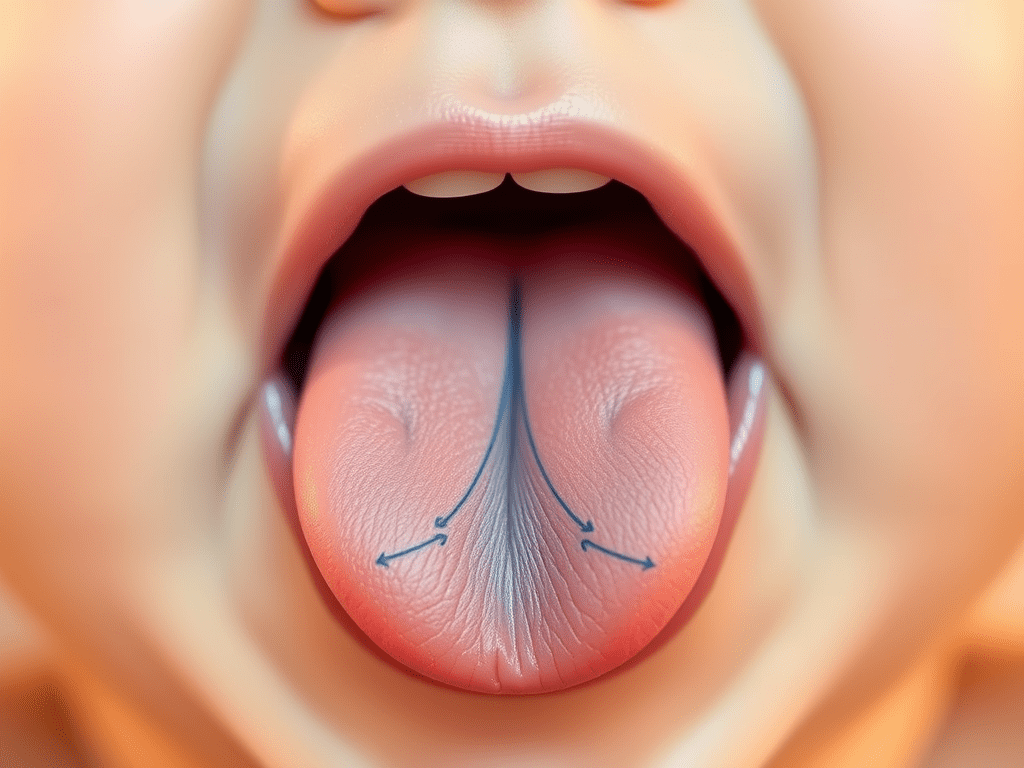
Ankyloglossia, also called tongue-tie, is a condition where the tongue cannot move normally because it is attached to the floor of the mouth by the frenulum, which is too tight. The lingual frenulum is the band of tissue that attaches the undersurface of your tongue to the bottom part of the mouth. Adequate tongue movementContinue reading “Ankyloglossia (Tongue-tie)”
 Sahasra ENT Hospital & Research Centre