
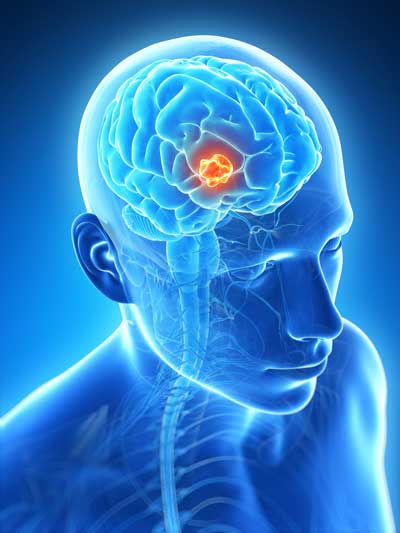
‘Skull Base Surgery’ represents a genuinely multi-disciplinary collaborative approach to the standard procedures in skull base surgery.
Conditions We Treat
Acoustic Neuroma
Anaplastic Astrocytomas
Arteriovenous Malformations (AVMs)
Astrocytomas and Low-Grade Gliomas
Chiari Malformation
Cholesteatoma
Chordomas
Colloid Cyst
Craniopharyngiomas
Ependymoma
Epidermoid and Dermoid Tumor
Glioblastoma Multiforme
Hydrocephalus
Meningiomas
Metastatic Brain Tumor
Olfactory Groove and Sphenoid Wing Meningiomas
Oligodendroglioma & Oligoastrocytoma (Mixed Gliomas)
Pineal Tumor
Pineal Region Tumors
Pituitary and Parasellar Tumors
Rathke’s Cleft Cyst
Skull Base Encephalocele and Meningocele
Skull Base Tumor
Trigeminal Neuralgia
Advanced Treatment Options for Skull Base Tumors
Many brain tumours and other conditions affect the skull base. These include brain tumours, pituitary tumours, acoustic neuromas, meningiomas, and other types of tumours and developmental abnormalities and infections.
The skull consists of several bones, often called sutures, that form the bottom of the head and the body ridge in the back of the eyes. The base of the skull lies behind the eyes and nose. Treating skull base tumours and conditions is challenging because they are very close to critical nerves and blood vessels in the brain, head, neck, and spinal cord, which can affect the body’s ability to function.
Skull base tumours grow primarily on the inside of the skull, but occasionally on the outside. Some tumours originate in the skull base, while others spread there from cancer elsewhere in the body (metastatic).
Symptoms
Symptoms of most skull base tumours appear slowly. Skull base tumours are usually diagnosed when they grow and cause pressure on vital structures in the brain, such as the pituitary gland, the optic nerve and the carotid arteries.
Common symptoms of skull base tumours and conditions include:
- Headaches
- Difficulty breathing
- Altered sense of smell
- Blurred or double vision
- Trouble swallowing
- Hearing loss
Diagnosis
In addition to a complete medical history and physical examination, a patient might undergo a series of diagnostic procedures including Magnetic resonance imaging (MRI) and CT scans. Other imaging studies include a bone scan and a PET scan.
Treatment
Treatment for skull base tumours and conditions may include surgery, radiation therapy, chemotherapy and/or observation. The treatment for a skull base tumour or condition depends on many factors. If the patient’s tumour is benign and in a part of the skull base where neurosurgeons can safely remove it completely, surgery may be the only treatment needed. Although many tumours are amenable to minimally invasive endonasal endoscopic surgery, there are in fact a variety of approaches to surgery for skull base tumours.
Skull Base Surgery Team

Dr Narayanan Janakiram, MS ENT
World-Renowned Skull Base Surgeon
Director Royal Pearl Hospital, Trichy

Dr Shilpee Bhatia Sharma, MS ENT
Fellow in Rhinology & Skull Base Surgery

Dr Uday Chanakya, MS ENT
Fellow in Rhinology & Skull Base Surgery

Dr Kishore Kumar Savaram, MS ENT
Fellow in Rhinology & Skull Base Surgery

Dr Sriharsha Tikka, MS ENT
Fellow in Rhinology & Skull Base Surgery

Dr Bhargaw Ilapakurty
Head & Neck Surgeon

, MD Anaesthesia
Senior Anaesthetist
testimonial.
Doe

 Sahasra ENT Hospital & Research Centre